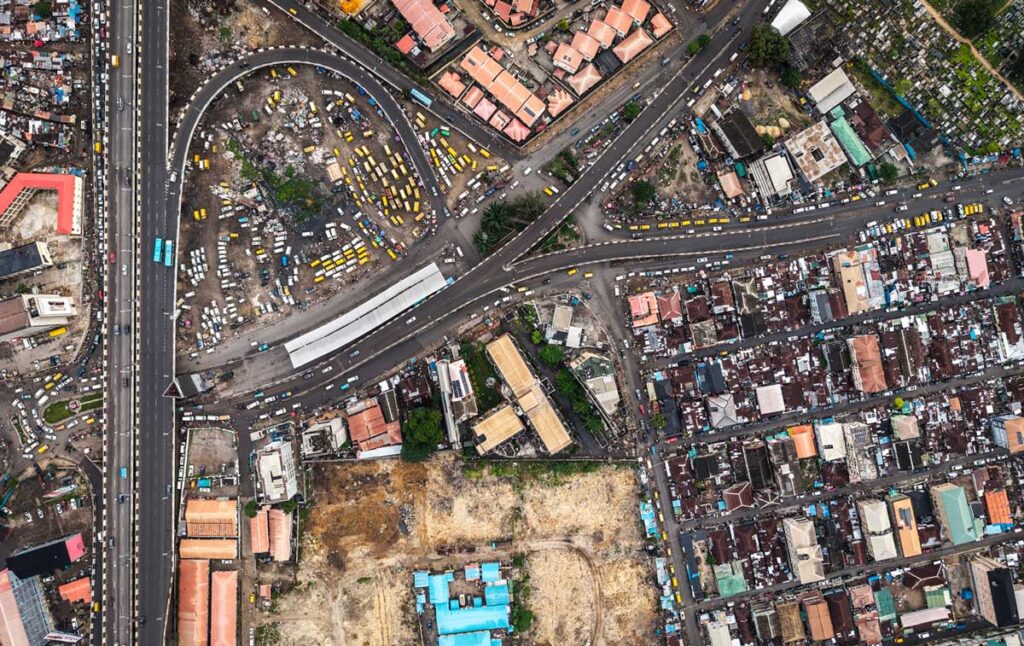
Introduction Urbanisation in sub-Saharan Africa is accelerating at an unprecedented rate, with the urban population projected to grow from approximately 472 million in 2020 to over 1.2 billion by 2050, raising the…
Category: Environment
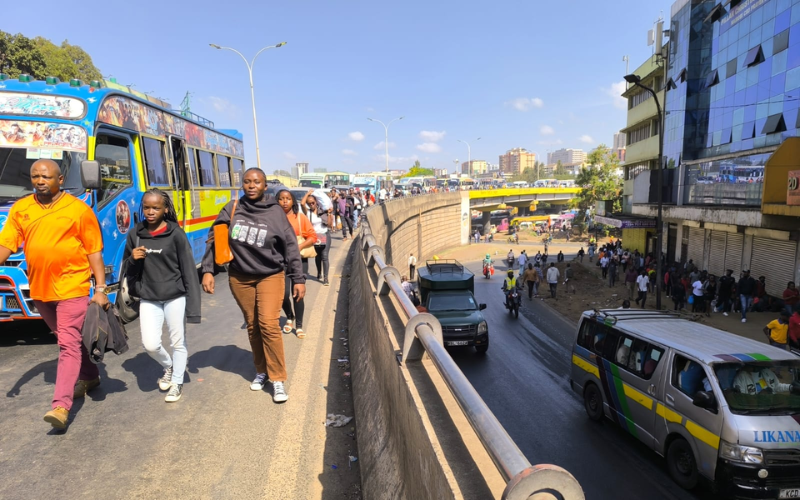
Introduction Rapid urbanisation across East Africa presents opportunities and profound challenges for sustainable and equitable development. While urban populations have grown rapidly, this growth has not consistently translated into improved…

Introduction Recent climate events illustrate the growing human impact of climate change.[1] However, the legal framework governing state responsibility remains fragmented. This short piece argues that while climate treaties provide…

Introduction Foreign investment has long been an important policy tool for countries seeking to transform their economies. The international investment regime—comprising treaties and institutions—has supported this objective by creating…

Environmental Law and Climate Justice: Case Study on the East African Crude Oil Pipeline Introduction Welcome to the Branching Scenarios Tool “Environmental Law and Climate Justice: Case Study on the…
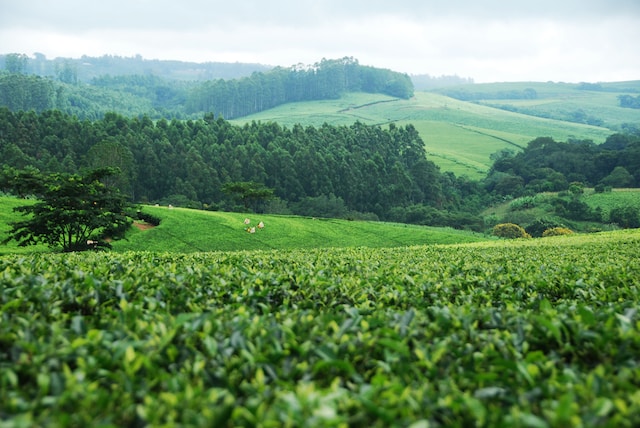
Introduction Environmental impact assessments are essential processes used to evaluate the potential effects of a proposed project on the environment before implementation. In Africa, their integration into national legislation varies…

Introduction Climate change in Nigeria could, for example, be attributed to the production of fossil fuels in which greenhouse gases (GHGs) are emitted. [1] A decrease in the production of…
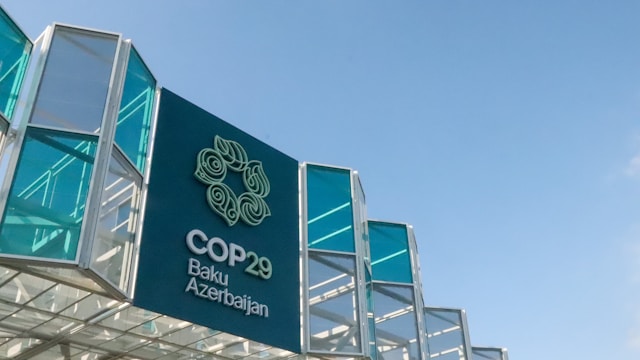
Introduction From November 11 to 22, 2024, the world’s eyes turned to Baku, Azerbaijan, as it hosted the twenty-ninth Conference of the Parties (COP29) under the UN Framework Convention on…

Introduction Humanity is at a crossroads, confronted with the effects of climate change that no nation can solve on its own without working with others. It requires all countries to…
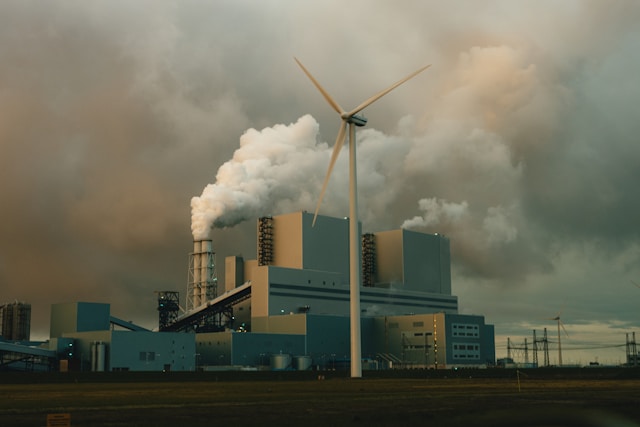
The twenty-eighth Conference of the Parties (COP28), which took place in Dubai from 30 November to 13 December 2023, made a modest yet significant contribution to energy justice by expressing…